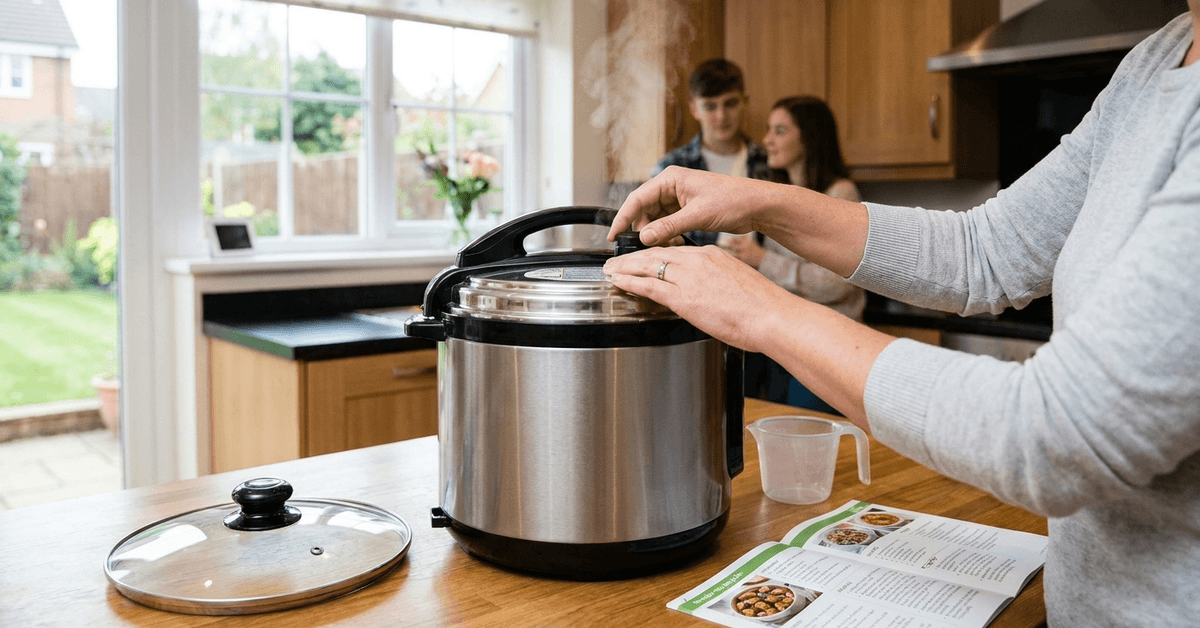
Multi-cookers simplify daily meal preparation by combining several cooking functions in one appliance. Safe use matters, especially for beginners learning pressure settings.
This guide explains setup, cooking, pressure release, cleaning, and storage. It also covers practical habits for confident everyday use.
Understanding Multi-Cookers: What Every Beginner Needs to Know
Multi-cookers may combine pressure cooking, slow cooking, sautéing, steaming, and other programmed functions.
An Instant Pot Duo is one example of a multi-use pressure cooker, and its official product page lists pressure cooking, slow cooking, rice, steaming, sautéing, and warming, but controls and safety steps vary by model.
Essential Safety Features Every User Should Recognize
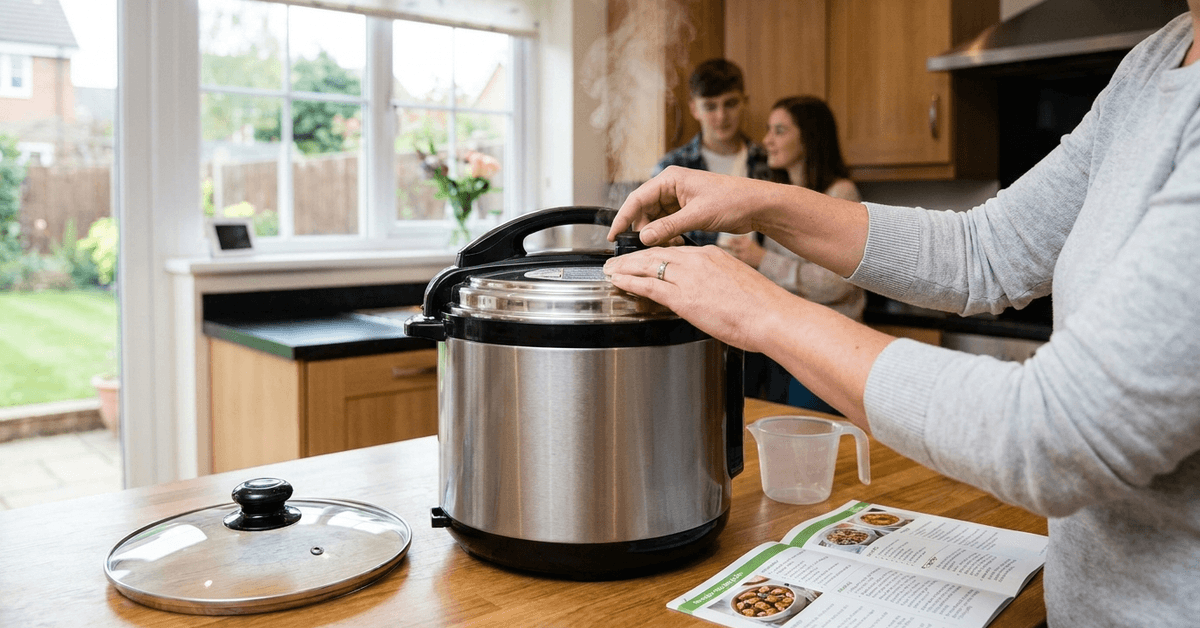
Pressure-cooking models depend on several parts working correctly before pressurization begins. Learning the main safety components makes routine checks easier.
Pressure Lid and Gasket
The sealing ring creates the sealed environment needed for pressure cooking. It should sit correctly and remain free from debris, cracks, or stretching. Replace or reseat a damaged ring before pressure cooking.
Pressure Release Valve
The pressure-release system controls how steam leaves the cooker. Keep the release mechanism clean and unobstructed according to the manual. Never cover the steam outlet or place hands directly above it.
Locking Lid System
The locking system keeps the lid secured while pressure remains inside. Confirm the lid is positioned correctly before starting. Never force open a lid while the cooker is pressurized.
Preparation Before Cooking: Safe Setup Steps
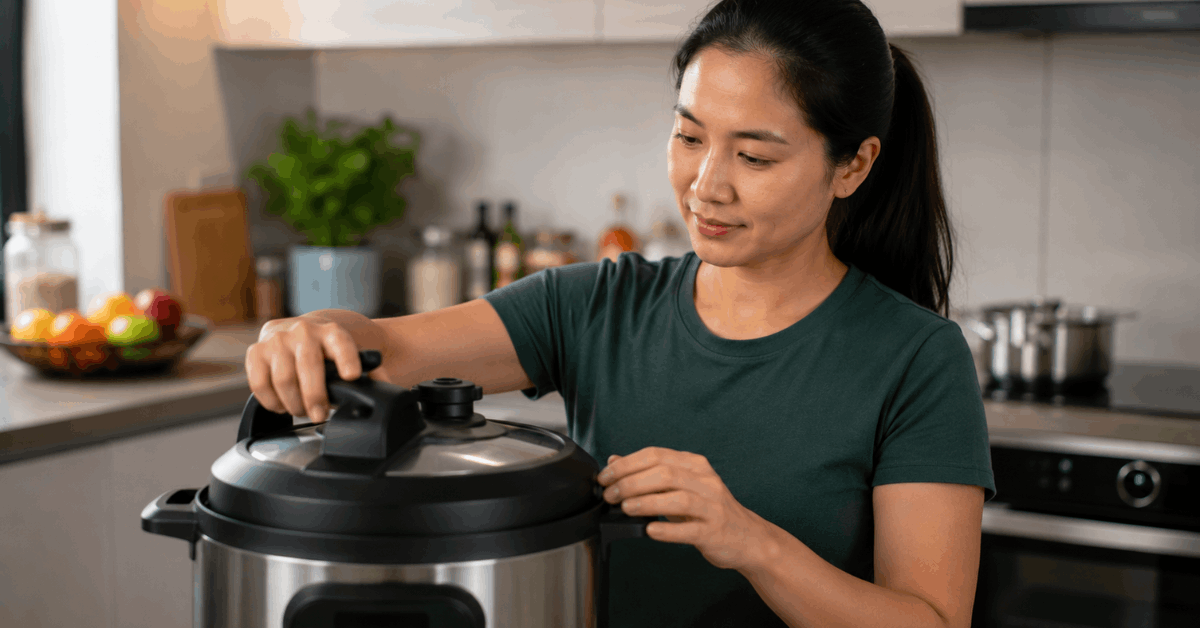
Careful setup reduces avoidable problems before heating begins and gives beginners time to confirm the selected cooking program. Place the appliance where steam and heat can vent safely.
- Set the cooker on a stable, level, heat-resistant surface.
- Keep it away from the counter edge, sinks, flames, and hot burners.
- Check that the inner pot is clean, dry outside, and properly seated.
- Inspect the sealing ring and pressure-release system.
- Make sure the cord and plug show no visible damage.
- Review the model manual before using an unfamiliar function.
Best Practices for Loading, Cooking, and Timing
Correct loading supports reliable cooking and pressurization. Follow model-specific fill limits and tested recipe directions.
Layering Ingredients
Ingredient order can affect texture and scorching in some recipes. Dense foods, sauces, grains, and vegetables may require different layering methods.
Follow tested instructions instead of assuming heavier ingredients always belong at the bottom.
Measuring Liquids Precisely
Pressure cooking requires enough thin liquid to create steam. Use the minimum liquid guidance in the manual or tested recipe rather than one universal measurement. Never exceed the maximum fill line, especially with foods that expand or foam.
Setting Cooking Times
Programmed settings simplify cooking, but food size and quantity still affect timing. Some dishes benefit from natural pressure release, while others use a quicker method. Beginners should rely on tested recipes until they understand their model.
Safe Operation During Cooking Cycles
Pressure cooking still requires attention even when the appliance controls the cycle. Watch for unusual leaks or warnings and avoid moving the cooker while pressurized.
Monitoring Pressure Build-Up
Some steam may appear during normal preheating, depending on the model. Persistent leaking, unusual noises, or failure to pressurize may signal a sealing problem. Follow the manual and let the cooker depressurize before inspecting pressure parts.
Avoiding Contact with Steam
Released steam can cause serious burns. Keep your face and hands away from the steam-release outlet during venting. Use only the release method specified for your model.
Supervising Children and Pets
Hot surfaces, steam, cords, and pressurized contents require caution around children and pets.
Keep the power cord secure and out of reach. Maintain a clear area around the cooker during heating, release, and cooling.
How to Release Pressure Safely?
Pressure release affects both safety and food texture. Use the method specified by the recipe and manual.
- Natural release lets pressure fall gradually as the cooker cools.
- Quick release vents steam through the designated release system.
- Keep hands, face, cabinets, and loose objects away from escaping steam.
- Avoid quick release when the manual warns against it for foamy or high-starch foods.
- Wait until the pressure indicator confirms depressurization before opening.
Routine Cleaning and Care for Longevity
Cleaning after use helps prevent residue, odors, and blocked steam pathways. Always unplug and cool the cooker before cleaning.
Post-Cooking Cleaning Steps
Focus on food-contact surfaces and pressure-related parts. Use manufacturer-approved cleaning methods to protect seals, valves, and electronics.
- Wash the inner pot according to its care instructions.
- Clean the lid, sealing ring, and removable pressure parts as directed.
- Check valves and steam pathways for residue.
- Wipe the cooker base without immersing electrical components.
- Dry removable components thoroughly.
- Reinstall pressure-related parts correctly before use.
Monthly Maintenance Routines
Periodic inspection helps reveal wear that daily washing may miss. Check the sealing ring and valve parts for damage, stretching, or residue. Inspect the cord, lid mechanism, inner pot, and controls according to the manual.
Common Multi-Cooker Mistakes and How to Avoid Them
Many problems come from incorrect filling or rushed pressure release. A brief pre-cooking check can prevent avoidable interruptions.
- Do not pressure cook without the required minimum liquid.
- Never exceed the maximum fill level.
- Follow special guidance for foods that foam or expand.
- Do not block the pressure-release valve.
- Confirm that the sealing ring and lid are installed correctly.
- Never force open a locked lid.
Smart Storage and Organization
Proper storage keeps removable parts accessible and helps moisture dissipate during every use. Store the clean, dry appliance where the lid and controls will not be damaged.
Disassembling for Storage
Some manufacturers recommend storing the lid so air can circulate. Remove only parts approved for removal and make sure everything is dry. Consult the manual before leaving pressure components detached for long periods.
Storing Accessories Safely
Steam racks, measuring cups, and spare rings are easier to manage when stored together. A drawer or basket keeps small accessories organized. Avoid stacking heavy cookware on the lid or control housing.
Advanced Tips for Stress-Free Multi-Cooker Use
Consistent routines make advanced features easier to use safely. Build simple maintenance habits around the manual.
- Keep a checklist for the sealing ring, valve, lid, pot, and cord.
- Save a digital copy of the model manual.
- Use tested recipes for unfamiliar pressure settings.
- Inspect removable pressure parts regularly.
- Keep compatible replacement parts available when practical.
- Use reputable manufacturer resources for troubleshooting.
Conclusion: Confident, Safe, and Efficient Multi-Cooker Results
Safe multi-cooker use starts with careful setup and familiarity with the pressure system. Correct filling, approved pressure release, and regular cleaning support reliable operation.
Thoughtful storage and routine component checks keep the cooker ready for future meals. Following the model-specific manual remains the best foundation for confident everyday cooking.