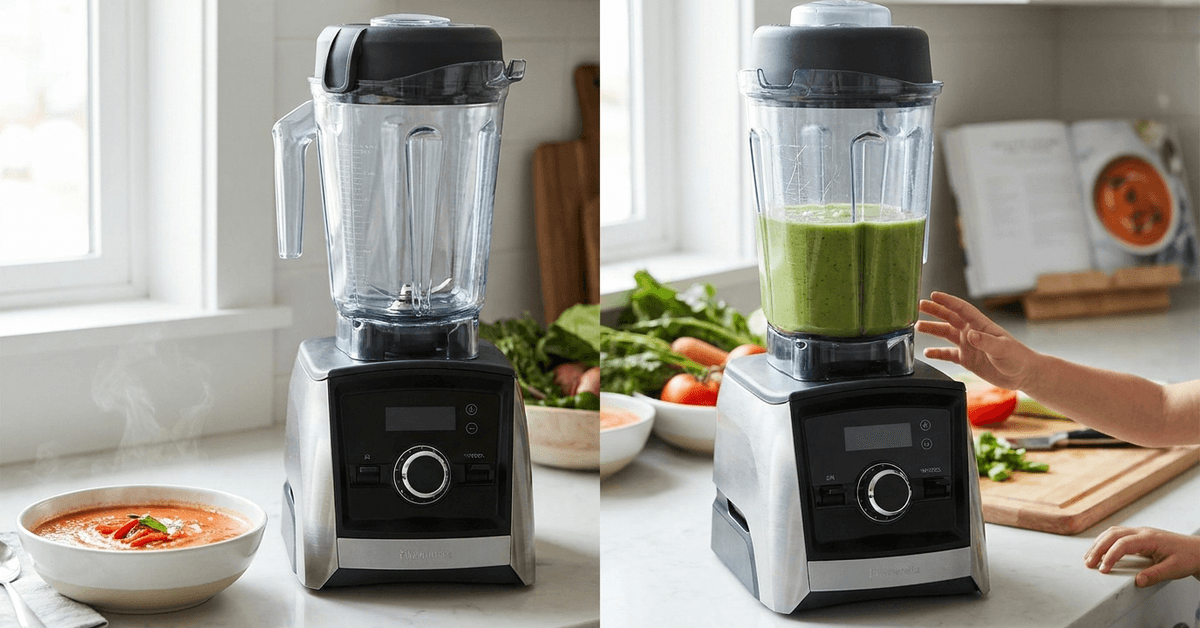
Choosing a new blender involves more than comparing motor power and speed settings. The jar material affects durability, handling, cleaning, and convenience.
This guide compares glass and Tritan jars across strength, heat tolerance, weight, maintenance, safety, appearance, and cost. It also explains how to match each option to your routine and keep the jar clean.
Understanding Blender Jar Materials
Glass and Tritan are common blender-container materials with different practical advantages. Understanding their basic characteristics helps match the jar to your kitchen habits.
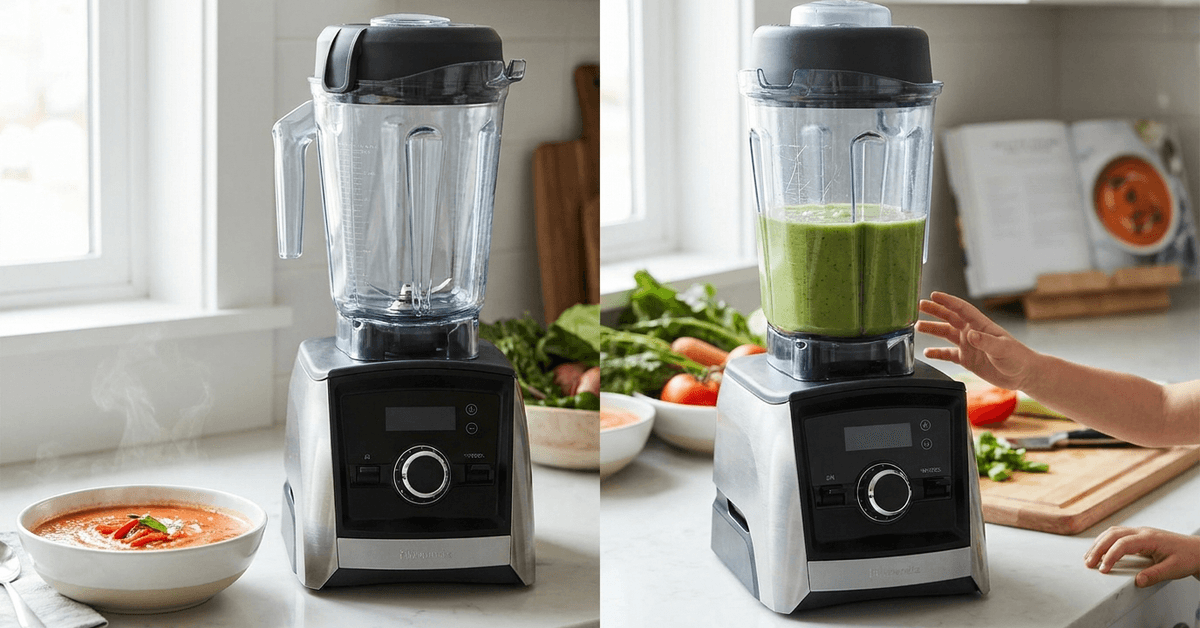
Glass Jars: An Overview
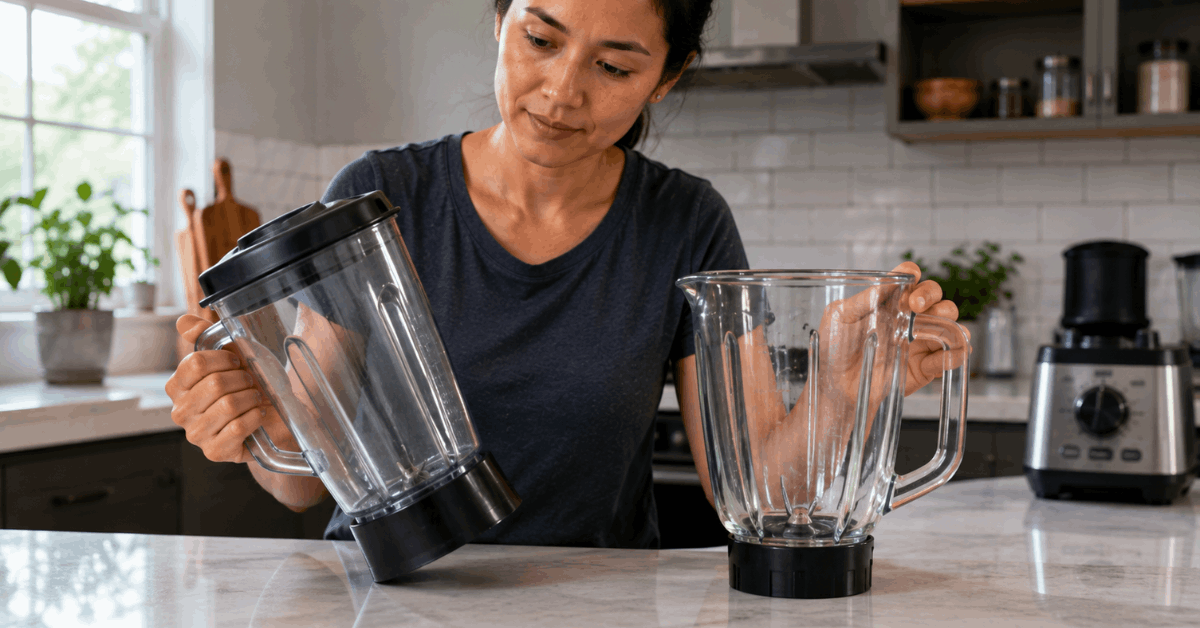
Glass jars are valued for their clear appearance and resistance to stains and odors. Their solid construction gives them a traditional, substantial feel during blending and pouring. However, glass is heavier than plastic and can chip or break after a hard impact.
Tritan Jars: What Sets Them Apart
Tritan is a BPA-free copolyester known for lightweight, impact-resistant construction. Eastman describes Tritan products as impact and shatter resistant while maintaining clarity and durability. Vitamix offers a Classic 64-ounce container made from BPA-free Eastman Tritan copolyester.
Durability and Longevity
Both materials can last well when handled and cleaned correctly. Their main durability differences involve impact resistance, scratching, and temperature changes.
Assessing Impact Resistance
Tritan jars generally tolerate accidental bumps and drops better because the material resists shattering.
Glass jars remain durable during normal blending but can crack or chip after impact. Busy households may prefer impact-resistant containers when accidental drops are a concern.
Scratch and Stain Resistance
Glass generally maintains a smooth surface and resists staining from colorful foods. Tritan is also stain resistant, but abrasive pads may eventually create fine surface scratches. Soft cleaning tools help both materials retain their appearance.
Heat Tolerance
Heat tolerance depends on the specific jar and manufacturer rather than material alone. Some glass jars are designed to tolerate temperature changes, while other models may have stricter limitations.
Tritan also has model-specific temperature limits, so blend hot liquids only when instructions allow it.
Weight and Handling Comfort
Jar weight affects lifting, pouring, washing, and moving the container. A comfortable container can matter for frequent blender users.
How Glass Feels in Use?
Glass jars feel heavier and often sit solidly on the blender base. The weight increases once the jar is filled. Some users appreciate that stability, while others find glass less convenient to carry.
Why Tritan Is Preferred in Busy Kitchens
Tritan jars are lighter than comparable glass containers. That difference simplifies handling during fast meal preparation. Lightweight construction can be especially useful with large-capacity blenders.
Cleaning and Maintenance
Both jar types benefit from prompt cleaning before residue dries. Gentle methods protect the container surface and help maintain clarity.
Cleaning Glass Jars
Glass usually releases residue easily and rarely holds strong odors. Avoid sudden temperature changes that could stress the container.
- Rinse soon after use with lukewarm water.
- Wash with mild dish soap and a soft sponge.
- Use baking soda only when allowed.
- Avoid abrasive pads.
- Dry completely before storage.
Some glass blender jars are dishwasher safe, including specific Oster Boroclass models. Always confirm dishwasher compatibility for your exact jar before using that cleaning method.
Maintaining Tritan Jars
Tritan is easy to clean, but gentle washing helps preserve transparency. Check whether your specific jar is dishwasher safe.
- Rinse after blending strongly colored foods.
- Use mild dish soap and a soft sponge.
- Avoid abrasive powders and scouring pads.
- Follow manufacturer instructions for odor removal.
- Air-dry completely before storage.
Safety and Health Factors
Food-contact safety depends on the product specifications and correct use. Both glass and Tritan should stay within manufacturer temperature and cleaning limits.
BPA and Food Safety
Glass does not contain BPA, while Eastman states that Tritan copolyester is manufactured without BPA.
Buyers should still verify that the specific container is designed for food use. Following approved temperature, cleaning, and replacement guidance supports safe everyday use.
Odor and Staining Concerns
Glass strongly resists odors and discoloration from foods such as tomatoes or spices. Tritan also resists many stains, although strong ingredients can leave temporary odors if residue remains too long. Prompt rinsing and gentle regular cleaning help reduce these issues.
Appearance, Transparency, and Design
Both materials provide clear visibility during blending. Long-term clarity depends largely on cleaning habits and wear.
Visual Clarity
Glass usually maintains transparency well because its hard surface resists many everyday scratches. Tritan begins clear and is designed to maintain clarity with repeated use. Soft sponges help preserve a clearer container surface regardless of material.
Design Compatibility
Glass often appears on traditional countertop blenders with sturdy bases. Tritan is common on lightweight, high-capacity containers designed for frequent handling. The better design depends on storage space, capacity, and daily routines.
Cost and Environmental Impact
Price and sustainability vary by manufacturer, jar size, and replacement availability. Comparing the entire blender gives a more realistic value picture.
Price Comparison
Neither material is always cheaper across every blender category. Glass and Tritan models both range from basic to premium. Motor strength, accessories, controls, and warranty often influence the final purchase price more than jar material.
Eco-Friendly Factors
Glass is recyclable where appropriate collection programs exist. Tritan is durable and reusable, though recycling options for specialty plastics may be more limited. Available replacement containers also affect environmental impact.
Which Jar Material Matches Your Routine?
The better choice depends on handling preferences, recipes, and blender instructions. Consider daily convenience instead of choosing only by appearance.
- For frequent handling or accidental drops: Tritan offers lighter, impact-resistant construction.
- For odor or stain concerns: Glass usually stays easier to keep neutral.
- For lighter pouring and washing: Tritan reduces container weight.
- For a traditional, substantial feel: Glass offers more rigidity.
- For hot ingredients: Use only a jar specifically approved for hot blending.
Step-by-Step: Keeping Your Blender Jar Spotless
Prompt cleanup prevents residue from drying on the jar and lid. Follow the manufacturer’s cleaning instructions before using mixtures or automatic cycles.
- Rinse the jar with lukewarm water after use.
- Add water and a small drop of mild dish soap.
- Use the blender’s self-cleaning method if recommended.
- Rinse thoroughly.
- Treat stubborn marks with an approved non-abrasive method.
- Air-dry fully before storage.
Conclusion: Making the Right Choice for Your Kitchen
Choosing between glass and Tritan depends on durability, weight, cleaning, and personal handling preferences. Glass offers strong stain and odor resistance, while Tritan provides lightweight, impact-resistant convenience.
Temperature limits and cleaning methods should always follow the specific blender instructions. Matching the jar to your routine can support reliable blending and easier maintenance.