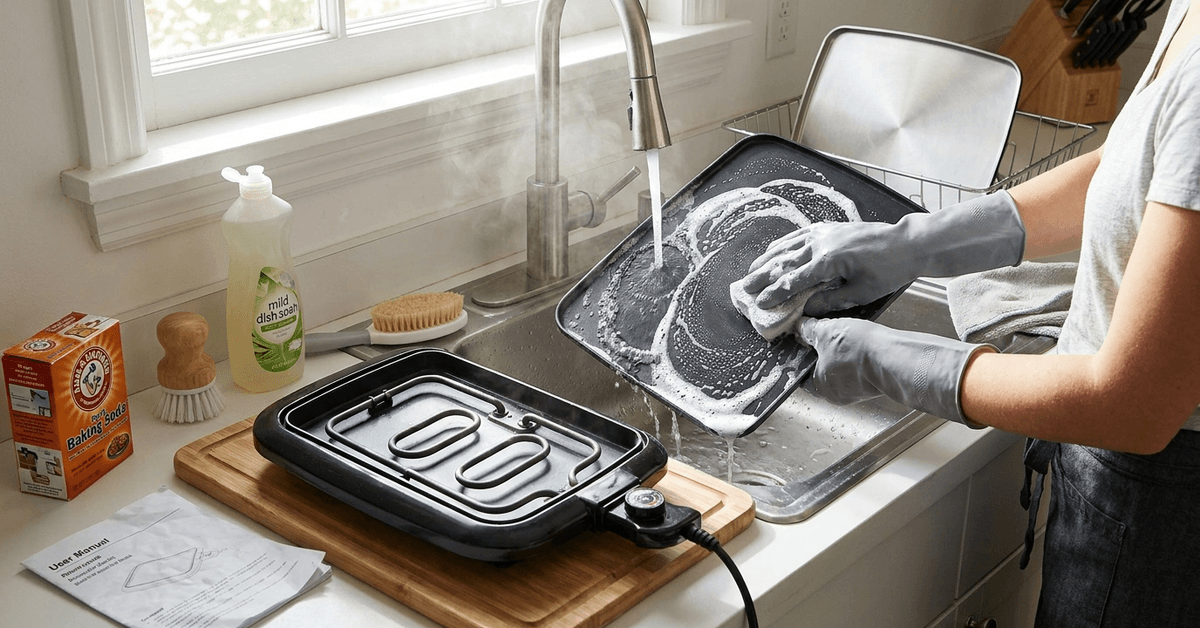
Removable electric griddle plates offer modern convenience and easy cleaning options for many busy kitchens. Yet, they also require the right care technique to keep them working well for years.
This guide is ideal for anyone who uses griddles for breakfast classics, meal prepping, or family brunches. Learn the safest and most effective way to clean these kitchen essentials and extend their lifespan.
Understanding Removable Electric Griddle Plates
Removable plates are designed for easy handling and cleaning. The main benefit is they detach from the heating element, which allows for better access and thorough washing.
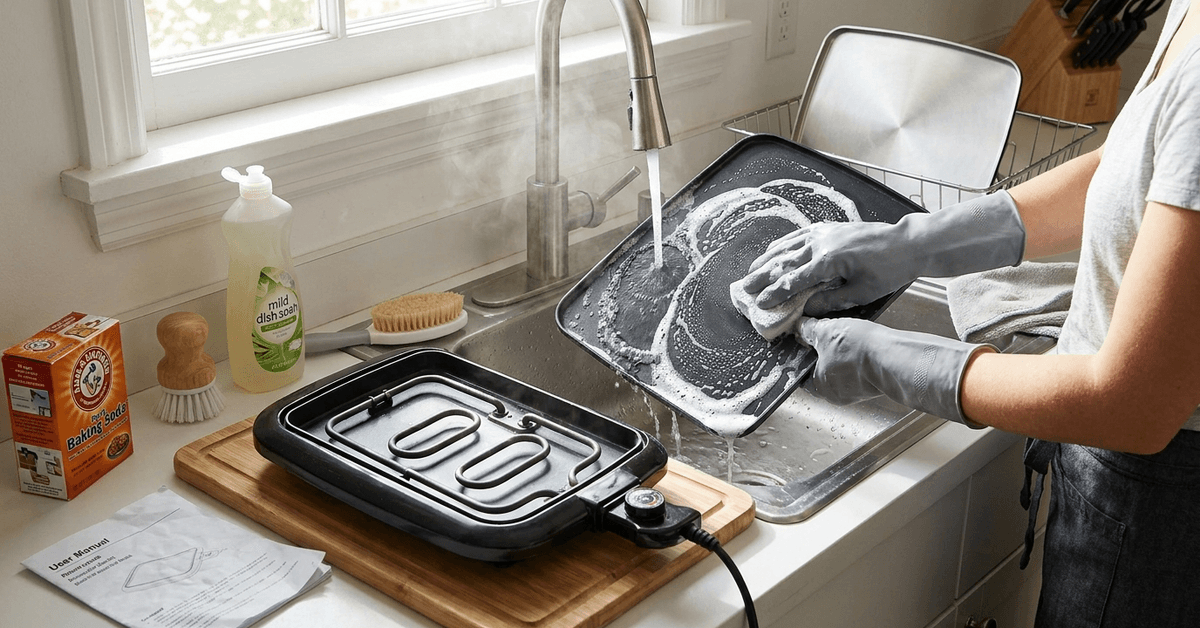
These plates usually feature non-stick coatings, stainless steel, or cast aluminum surfaces. Each material type has a specific care approach for optimal results and long-term durability.
Why Proper Cleaning Matters?
A clean griddle plate provides even cooking and prevents sticking. Leftover oil or burnt-on food can affect flavor and even smoke during operation.
Proper care reduces bacteria growth. It also lowers the risk of non-stick coating breakdown or damage over time.
Types of Removable Plates and Their Material Differences
Removable cooking plates come in different materials that vary in durability, heat performance, and cleaning needs. Understanding these differences can help you choose safer cleaning methods and extend plate lifespan.
Non-Stick Plates
Non-stick coating needs gentle cleaning to avoid scratches. Many households appreciate the low-effort release of cooked food, making this a popular choice.
Stainless Steel Plates
Stainless steel plates handle higher temperatures and resist staining. However, they may show streaks if dried improperly.
Cast Aluminum Plates
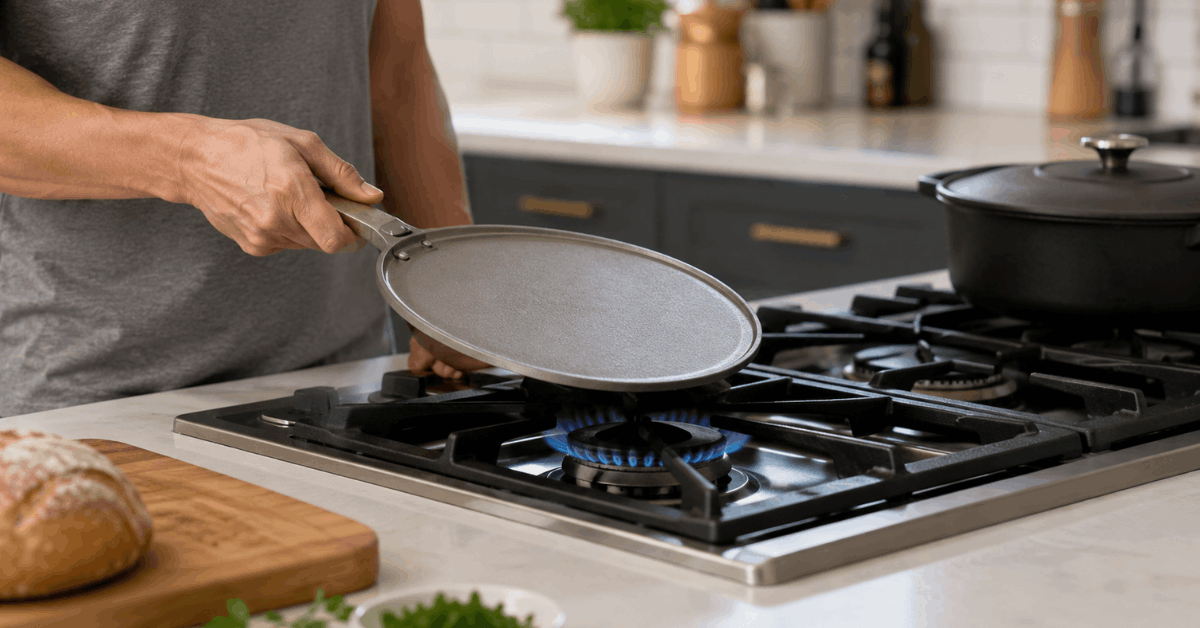
Cast aluminum heats evenly and cools quickly. It is light, but requires care to avoid warping and surface etching from harsh cleaners.
Important Pre-Cleaning Preparations
A few simple preparation steps can help make griddle cleaning safer and more effective. Cooling, clearing debris, and removing the plate properly also help protect both the appliance and cooking surface.
- Unplug the griddle after use. Wait until the plate is completely cool for safe handling.
- Remove any major food debris using a soft spatula or paper towel. Avoid using metal utensils, which can scratch the surface.
- Detach the plate according to the manufacturer’s instructions. Confirm all parts are ready for separate washing.
Step-by-Step: How to Wash Removable Electric Griddle Plates Properly
Proper washing helps remove grease and food residue without damaging the plate surface. Using gentle tools and thorough drying can also help preserve the finish and cooking performance.
Hand Washing Method
Hand washing can help remove grease and food residue while protecting the plate’s surface. Using mild soap, gentle tools, and thorough drying can also reduce scratches and water spots.
- Fill a sink or basin with warm water and mild dish soap. Many experts choose a non-abrasive sponge for this process.
- Gently submerge the plate. Wipe to remove all residue and oil. Slow, circular motions work well on stubborn areas.
- For tough, baked-on spots, lay a wet paper towel on the area for a few minutes before re-wiping.
- Rinse under running water to clear away all soap. Inspect the corners and grooves for soap build-up.
- Dry thoroughly with a soft towel. This prevents water spots and helps preserve the plate’s finish.
Dishwasher Guidance
Some removable griddle plates, including those on the Cuisinart Griddler, are labeled ” dishwasher safe “. Many owners find this time-saving, but always check the manufacturer’s manual first.
- If suitable, arrange the plate securely in the top rack of the dishwasher. Avoid detergent pods with bleach, which could damage coatings.
- Select a gentle or eco cycle. Remove promptly and dry by hand to avoid spotting.
Special Cleaning Considerations for Non-Stick Plates
Non-stick plates require gentle cleaning to protect their coating and prevent scratches. Harsh tools or prolonged soaking can shorten the life of the surface.
Avoid Abrasive Cleaning Tools
Do not use steel wool, metal scrubbers, or harsh chemical cleaners on non-stick plates. These materials can scratch or weaken the coating over time. Choose a soft sponge or cloth for routine cleaning instead.
Loosen Residue Gently
A mild paste of baking soda and water can help soften stubborn residue without aggressive scrubbing. Apply it gently and wipe the surface clean with a damp cloth. Avoid soaking the plates overnight, as prolonged moisture may contribute to corrosion or damage around attachment points.
Addressing Stuck-On Residue and Burnt Areas
Burnt food and hardened residue may require extra attention on textured or non-stick surfaces. Gentle tools and suitable cleaners can help remove buildup while protecting the finish.
Use Soft Scraping Tools
Use a soft-bristled brush to loosen residue from textured areas. A silicone spatula can also help lift stuck-on food without scratching the surface. Work slowly and avoid applying excessive pressure.
Try Suitable Cleaning Products
A cleaner specifically labeled safe for non-stick cookware can help with stubborn burnt residue. Follow the product directions and use only the recommended amount. Rinse the surface thoroughly afterward to remove any remaining cleaner.
Drying and Reassembly Tips
Proper drying helps prevent trapped moisture, odors, and buildup around removable parts. Careful reassembly also helps ensure the griddle is safe and ready for its next use.
- Towel dry all parts before reassembling. Trapped moisture can lead to mold or bad odors, especially around rubber seals.
- If possible, air-dry plates in a dish rack for ten minutes before use or storage. This step prevents hidden dampness.
- Once all parts feel completely dry, snap or screw the plates back according to the manual.
Safe Maintenance Habits to Prolong Appliance Life
Proper maintenance can help extend the life of removable appliance plates and protect their cooking surfaces. Allow hot plates to cool before washing to prevent damage from sudden temperature changes.
Cast aluminum surfaces may benefit from light oiling when recommended by the manufacturer. Checking screws and connection points periodically can also help prevent looseness, wobbling, or misalignment.
Common Mistakes to Avoid
Avoiding a few cleaning mistakes can help protect removable griddle plates from scratches, warping, and coating damage. Careful handling also helps preserve performance and extend the life of the cooking surface.
- Running dishwasher cycles for plates not officially marked as dishwasher safe.
- Skipping the step of unplugging or letting the plate fully cool before cleaning.
- Using sharp scrapers, abrasive pads, or metal utensils, which accelerate damage of the non-stick layer.
Quick Table: Do’s and Don’ts for Cleaning Removable Griddle Plates
| Do | Don’t |
|---|---|
| Wait for plate to cool | Place hot plate in water |
| Wash using mild soap | Use harsh chemicals or bleach |
| Dry completely before reassembly | Air-dry with water trapped under handles |
| Follow manual for disassembly | Force plates off heating element |
Conclusion
Regular cleaning helps keep an electric griddle performing well and prevents stubborn buildup. Adjusting the cleaning method to the plate material can also protect the cooking surface from damage.
Careful drying and following the user manual may reduce sticking and extend the appliance’s lifespan. With consistent maintenance, the griddle can remain reliable, efficient, and easier to use.