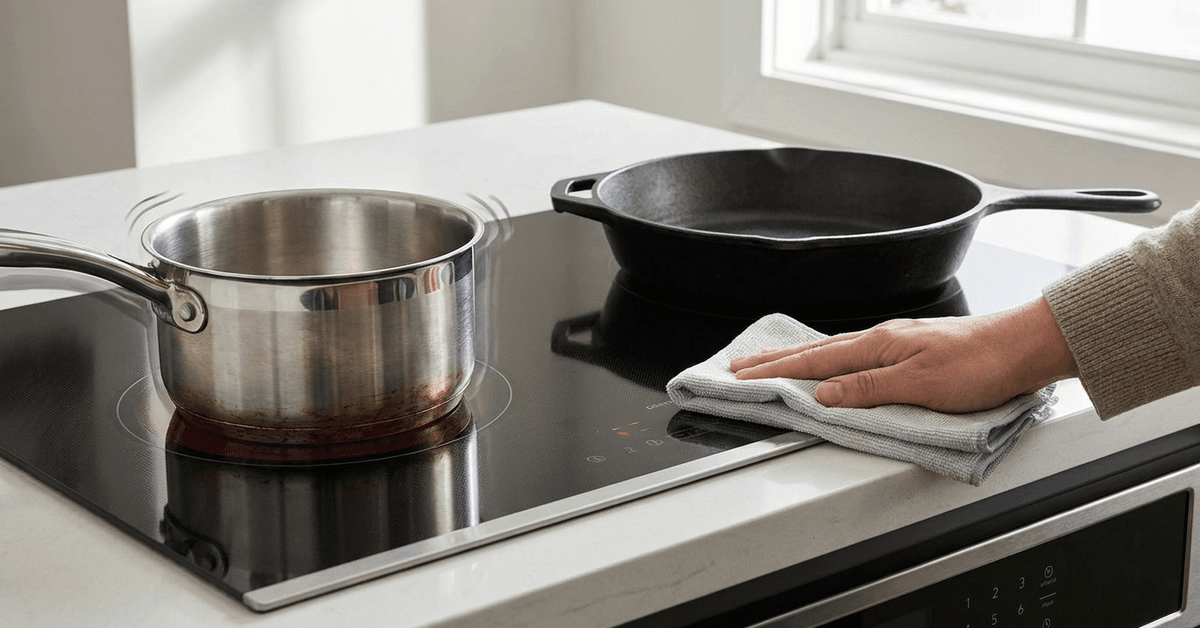
Induction cooktops can produce buzzing, humming, or clicking sounds during normal use. These noises often relate to cookware material, pan placement, heat settings, or internal cooling components.
This guide explains the common causes of induction cooktop buzzing and practical ways to reduce unwanted noise. It also covers maintenance, cookware choices, safety considerations, and signs that professional service may be needed.
Understanding Induction Cooktop Buzzing
Buzzing is a common issue for induction cooktops. This noise often starts when a pot heats up and may vary with the heat setting.
Understanding what causes the sound helps in identifying potential fixes or adjustments for a more enjoyable kitchen routine.
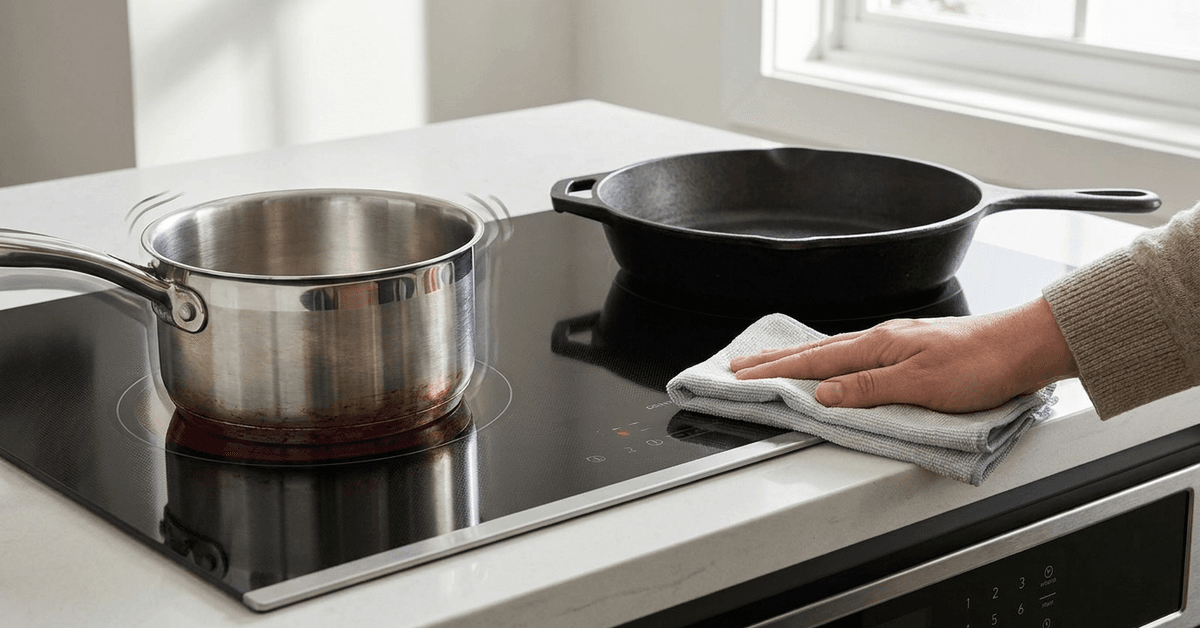
Why Induction Cooktops Make Noise?
Induction cooktops can produce buzzing or humming during normal operation. The sound often comes from the interaction between the magnetic field, cookware, and power level.
Electromagnetic Vibrations
Induction cooktops use a magnetic field to heat cookware directly. This process can create small vibrations in the pan or internal components. These vibrations may produce a noticeable buzzing or humming sound.
Cookware Material Impacts
Cookware material can affect how much noise an induction cooktop produces. Cast iron and magnetic stainless steel may respond differently to the electromagnetic field. Multi-layered pans can sometimes vibrate more noticeably during heating.
Cookware Size and Shape
Pans that are too large or too small for the cooking zone may create additional noise. Uneven contact or poor alignment can affect energy transfer. Flat-bottomed cookware that matches the zone size generally performs more smoothly.

Heating Power Settings
Higher power settings can make buzzing or humming more noticeable. Increased energy transfer may cause stronger vibrations in the cookware. Lower heat settings often produce quieter operation.
Types of Noises: What Is Normal?
Induction cooktops can produce several normal operating sounds during heating and cooling. Recognizing these noises can help distinguish routine behavior from possible problems.
- Buzzing: Typical at high settings, especially with lightweight stainless steel or thin pans.
- Clicking: Indicates normal relay switching or temperature control.
- Low hum: Most often the fan cooling internal electronics.
- Crackling: Sometimes from moisture or residues under the pan, not always a cause for concern.
Quick Troubleshooting Checklist
A few simple checks can help reduce unwanted cooktop noise and identify its likely source. Cookware condition, heat settings, and proper pan placement often make a noticeable difference.
- Try different cookware materials to identify if noise decreases.
- Adjust heating levels downward if the buzzing is uncomfortable.
- Check that the pan is dry and the base is clean before placing it on the cooktop.
- Ensure cookware sits flat and matches the burner size for optimal function.
How to Reduce Buzzing on Your Induction Cooktop
Simple adjustments can help reduce buzzing and other operating noises. Cookware, power settings, cleanliness, placement, and maintenance all affect sound levels.
Choose the Right Cookware
Use thick, flat-bottomed stainless steel cookware for more stable heating. Avoid lightweight or thin pans that may vibrate more easily. Cookware that fits the induction zone properly can also help reduce noise.
Adjust Power Levels Thoughtfully
Higher power settings often produce more noticeable buzzing. Lowering the heat when possible can make operation quieter. Medium or simmer settings usually create less vibration than maximum power.
Keep Surfaces Clean and Dry
Wipe the glass surface before cooking to remove food residue and moisture. Liquid or debris trapped beneath cookware can create extra sounds during heating. Keeping both the pan base and cooktop clean may improve stability.
Check for Proper Pan Placement
Center cookware directly over the induction cooking zone. Poor alignment can lead to uneven heating and additional noise. Lift pans instead of dragging them across the glass to avoid scratches and scraping sounds.
Regular Cooktop Maintenance
Keep the cooktop’s air intake and ventilation areas free of dust and debris. Blocked vents can make internal cooling fans work harder and sound louder. Follow the manufacturer’s instructions when cleaning vents or other internal-facing areas.
Common Problems and When to Seek Help
Some induction cooktop noises are normal, but sudden or persistent changes may signal a problem. Paying attention to unusual sounds and error messages can help identify when professional assistance is needed.
Unusual or Persistent Noises
Buzzing that becomes significantly louder over time may indicate an issue beyond normal operation. Error codes or unusual performance alongside the noise can be another warning sign.
Contact a qualified appliance technician if basic cleaning and adjustments do not resolve the problem.
Internal Fan Noise
Cooling fans may continue running after cooking to protect internal electronics. If the fan becomes unusually loud or runs much longer than expected, check accessible vents for dust or blockages. Consult the appliance manual or seek professional service if the noise continues.
Preventing Induction Cooktop Noise
Simple cookware and maintenance choices can help reduce buzzing, humming, and vibration during cooking. Using compatible pans and keeping contact surfaces clean can also support quieter and more consistent performance.
- Select induction-compatible cookware marked with a coil symbol on the packaging or bottom.
- Stick to reputable brands known for producing solid, multi-layered pan bases. Examples include All-Clad, Demeyere, or WMF.
- Replace warped or thin cookware, as older pans frequently cause increased noise.
- Keep both cooktop surface and cookware bases free from debris or burnt-on residue.
Best Materials and Appliance Parts for Quiet Performance
Cookware construction and cooktop components can both influence operating noise. Choosing stable materials and keeping key parts in good condition may support quieter performance.
Cookware Construction
Heavy-gauge stainless steel cookware with layered aluminum or copper cores may vibrate less during induction heating.
Cast iron can also operate quietly because of its weight and solid construction. Handle heavy cookware carefully to avoid scratching the glass surface.
Cooktop Parts Worth Knowing
Induction coils beneath the glass create the magnetic field that heats compatible cookware. The glass-ceramic surface should remain clean, smooth, and free from cracks or chips. Cooling fans may also produce humming sounds during and shortly after cooking.
Safety Considerations
Never disassemble an induction cooktop or attempt repairs involving internal wiring, coils, or fans. Disconnect power before maintenance beyond normal surface cleaning and follow the manufacturer’s instructions.
Use induction-compatible cookware and contact a qualified technician for internal repairs or persistent problems.
Conclusion: Buzz-Free Induction Cooking for Every Kitchen
Induction cooktop buzzing often comes from cookware, power settings, or normal appliance operation. Choosing compatible pans and keeping surfaces clean can help reduce unnecessary noise.
Unusually loud or persistent sounds may require professional inspection. With proper cookware and routine care, induction cooking can remain efficient, safe, and comfortable.