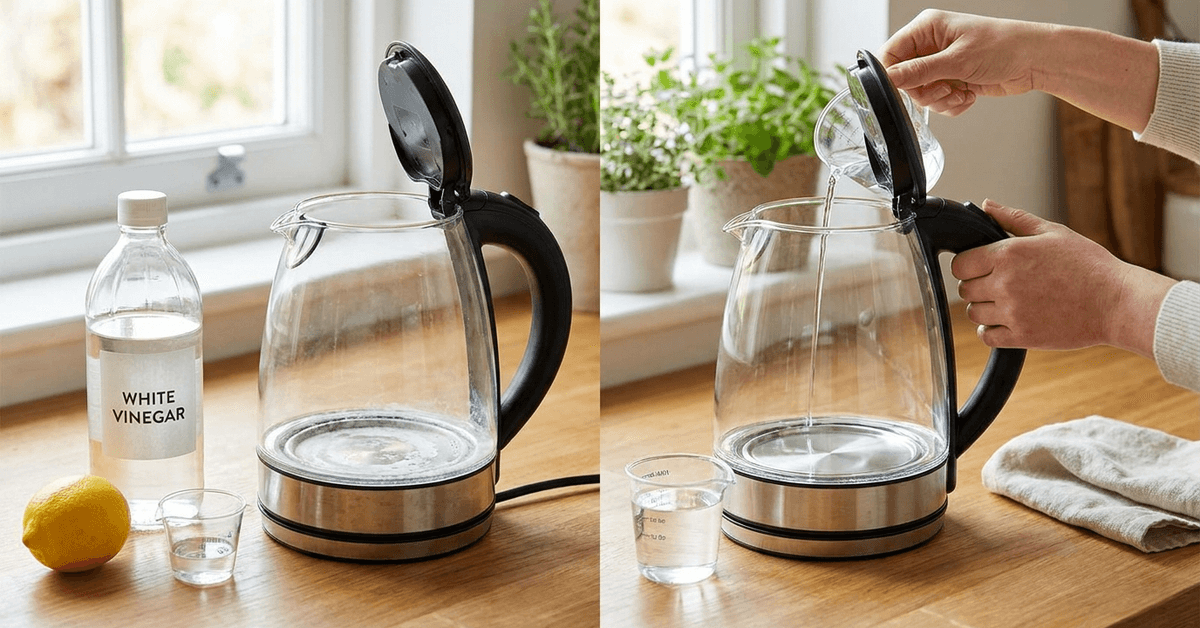
Hard water minerals often build up inside electric tea kettles. This can affect both performance and taste. For those looking to maintain efficiency at home, regular descaling is a critical step.
This guide is especially useful for anyone who uses their kettle daily. Learning how to remove mineral buildup easily helps safeguard your appliance and your beverages.
Why Mineral Buildup Occurs in Electric Tea Kettles?
Minerals like calcium and magnesium are naturally present in tap water. When water boils, these minerals separate and settle as a white or chalky residue, commonly called lime scale.
Frequent use of a kettle in hard water regions results in more rapid scaling. Over time, this can cause heating elements to become less efficient or degrade taste quality.
Risks of Ignoring Scale in Kettles
Neglecting mineral buildup may shorten the lifespan of the heating element. The appliance can start to take longer to heat up, using extra energy and driving up utility costs.
Residue buildup might also flake off into your drinks. This leaves unsightly particles and can affect taste, especially in tea or coffee that relies on clean, neutral water.
Choosing Safe and Effective Descaling Solutions
The right descaling solution can help remove mineral buildup without damaging the kettle’s interior. Gentle household options are often effective for routine maintenance and improving heating performance.
Vinegar Solution
The most common home remedy is white vinegar. It dissolves scale efficiently without harsh chemicals, so it’s practical for routine cleaning.
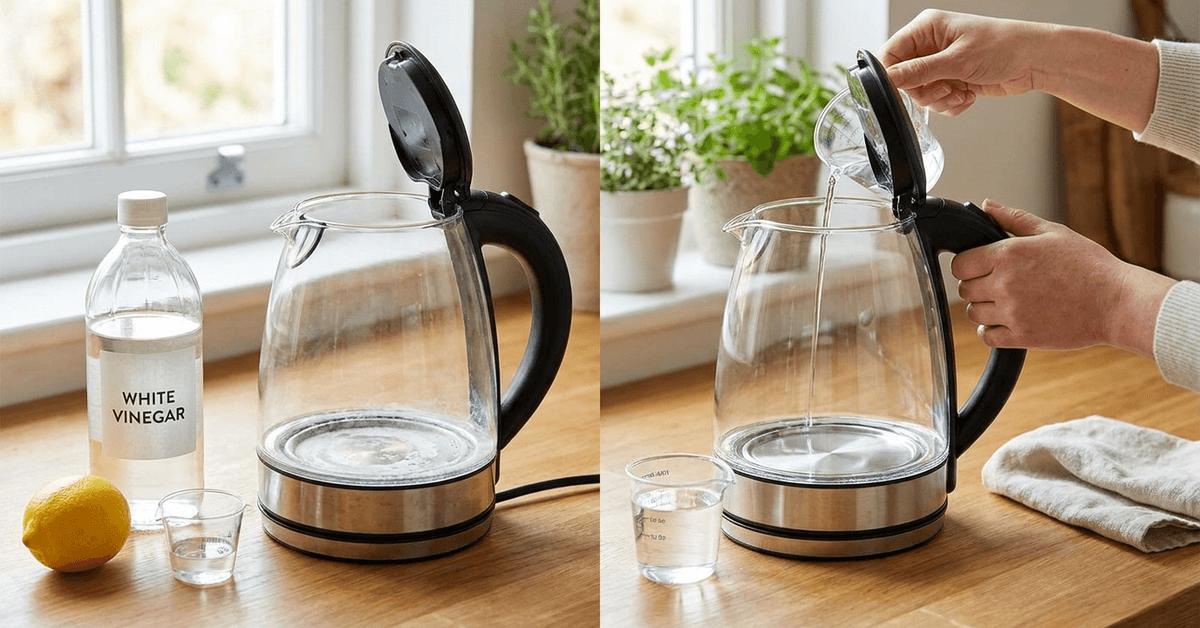
- Fill the kettle halfway with equal parts white vinegar and water.
- Allow the mixture to soak for 30 to 45 minutes. For thicker buildup, overnight soaking may help.
- Boil the solution, then unplug and let it cool completely.
- Pour out the contents and rinse several times with fresh water.
Lemon Juice Method
Lemon juice contains citric acid, which can also remove scale. This method is natural and leaves a fresh scent afterward.
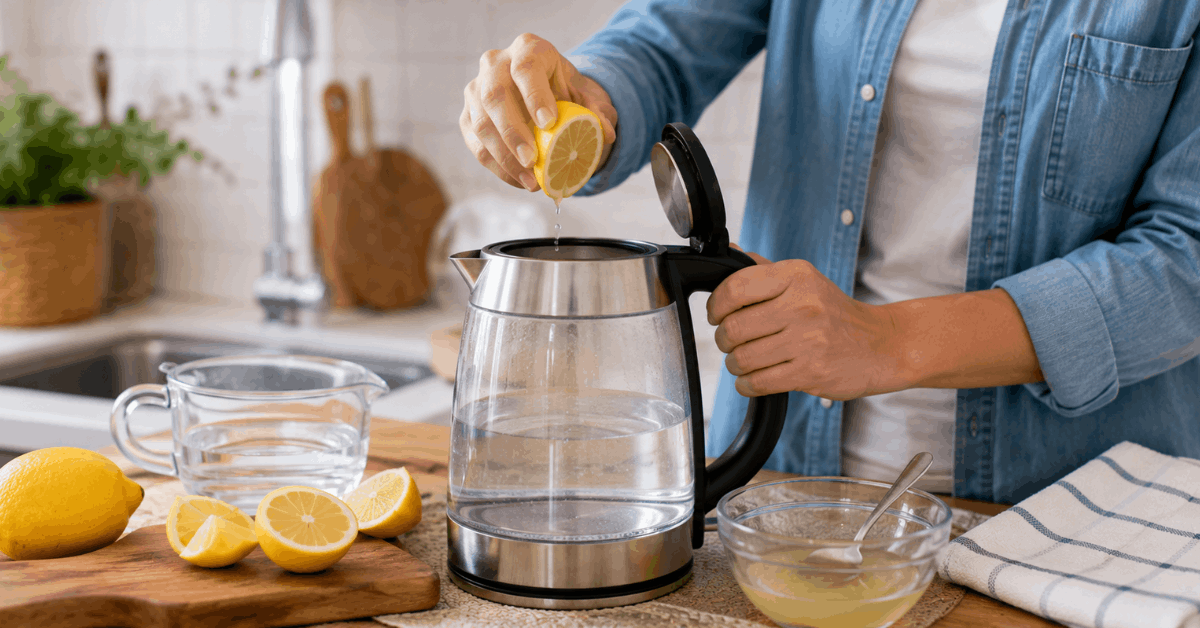
- Mix fresh lemon juice with water in a one-to-one ratio.
- Pour into the kettle and let it sit for at least an hour.
- Boil the mixture, then leave it to cool down before pouring it out.
- Rinse thoroughly until all citrus odor is gone.
Commercial Descaling Products
Some prefer specialized kettle descalers, such as durgol, available in most kitchen supply stores. These are typically formulated for fast action on tough scaling.
- Follow product instructions exactly to avoid residue or damage.
- Always perform multiple rinses after using a chemical product.
Step-by-Step: Removing Mineral Buildup from Your Kettle
Regular descaling helps remove mineral deposits that can affect kettle performance and cleanliness. Following a careful process also helps protect internal surfaces while reducing leftover residue.
- Unplug the kettle and confirm it is cool before starting.
- Empty out any water and remove the filter (if detachable). Clean filters separately to prevent buildup blockage.
- Choose your descaling solution: vinegar, lemon juice, or a commercial product.
- Fill the kettle as per instructions for your chosen solution.
- Let the solution soak for the recommended time to break down scale deposits.
- If using vinegar or lemon, bring the solution to a boil. Allow it to cool with the lid open.
- Empty the kettle entirely. Rinse with fresh water two or three times, swirling to remove any leftover acidity.
- Wipe interior surfaces with a soft, non-abrasive cloth or sponge. Avoid scrubbing heating coils directly.
- Replace the filter before refilling for use.
Extra Tips for Cleaning Electric Kettle Parts
Regular cleaning helps keep an electric kettle fresh, functional, and free from residue. Different parts may require slightly different cleaning methods.
Cleaning the Exterior
Wipe the exterior with a soft cloth dampened with mild dish soap and water. Avoid abrasive cleaners that could scratch or dull the surface. Keep moisture away from electrical connections, joints, and the kettle base.
Maintaining Lid and Spout
Residue can collect around the lid, spout, and other narrow areas. Use a small bottle brush or cotton swab to reach tight spaces carefully. Wipe away loosened buildup and allow the parts to dry completely.
Dealing with Persistent Odors
Lingering vinegar or lemon odors can usually be reduced by boiling fresh water. Fill the kettle with plain water, boil it, and discard the water afterward. Repeat the process if necessary until the odor disappears.
How Often to Descale for Best Performance?
Most efficiency experts recommend monthly descaling for those in hard water regions. If the kettle is used less frequently or with filtered water, every 2 or 3 months might be enough.
Visible scale, slow boiling, or metallic tastes can be signs of buildup returning sooner than scheduled. Being observant saves effort later.
How Mineral Buildup Impacts Kettle Lifespan?
Consistent descaling can add years to a kettle’s useful life. A well-maintained heating coil will warm water faster and stay energy efficient.
Appliance warranties sometimes require evidence of good cleaning practices. It’s worth checking your manual to see if descaling is advised for warranty coverage.
Preventive Measures and Daily Kettle Care
Simple daily habits can help reduce mineral buildup and keep an electric kettle cleaner. Regular care also makes deeper cleaning less frequent.
Empty and Dry the Kettle
Pour out any remaining water after each use. Leaving the lid open can help the interior dry more completely. This reduces standing moisture and helps limit buildup.
Use Lower-Mineral Water
Filtered or distilled water can help reduce mineral deposits inside the kettle. This is especially useful in areas with hard water. Using cleaner water may also make descaling easier over time.
When to Consider Replacing Your Kettle?
If scale returns very quickly despite regular cleaning, the heating element may be deteriorating. Flaking or pitting inside the kettle body is another sign that replacement could be practical.
For kettles with persistent residue or electrical faults, purchasing a new model often saves time and avoids hassle.
Conclusion
Routine removal of mineral buildup from an electric tea kettle promotes energy savings, improved taste, and appliance longevity. Selecting gentle, effective solutions like white vinegar or lemon juice saves time while keeping your appliance in lasting shape.
By staying attentive and proactive in maintenance, many homeowners discover that a kettle can perform consistently well for years with minimal effort.