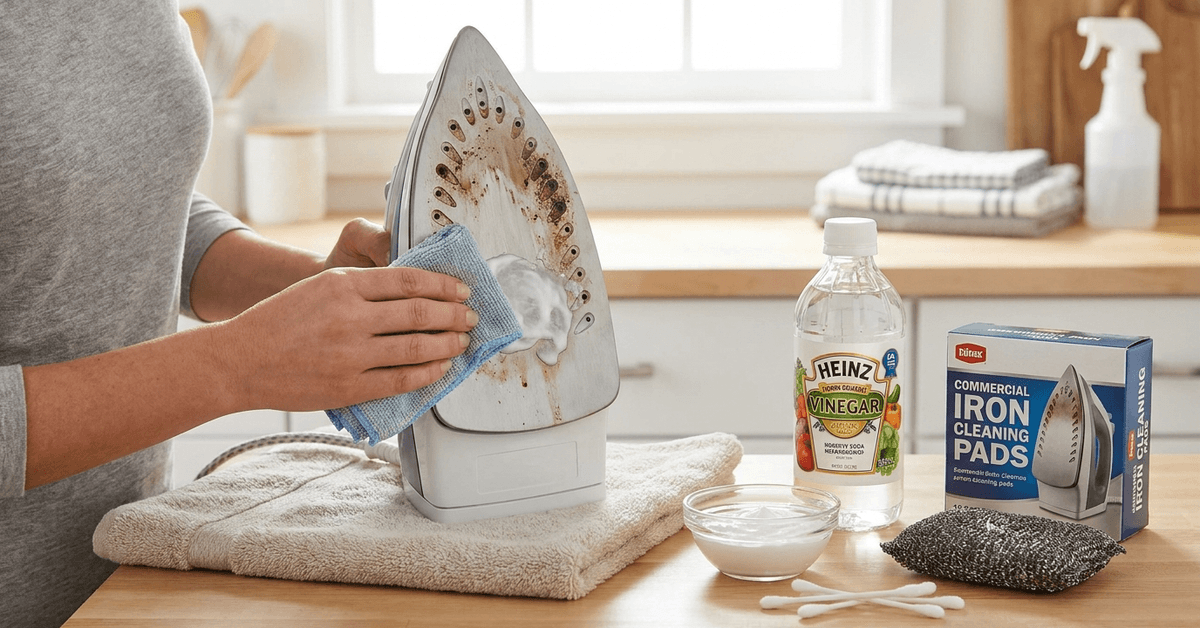
Sticky steam iron soleplates are a common annoyance in efficient homes. This issue can impact fabric care, cause snags, and shorten your appliance’s lifespan.
Homeowners using kitchen gadgets and smart appliances often look for practical, time-saving solutions. The following tips provide clear methods to bring your iron back to optimal condition with minimal fuss.
Understanding the Problem: Why Do Soleplates Get Sticky?
Residue can build up from starch sprays, synthetic fibers, and fabric softeners. Over time, the underside of an iron may develop noticeable stickiness.
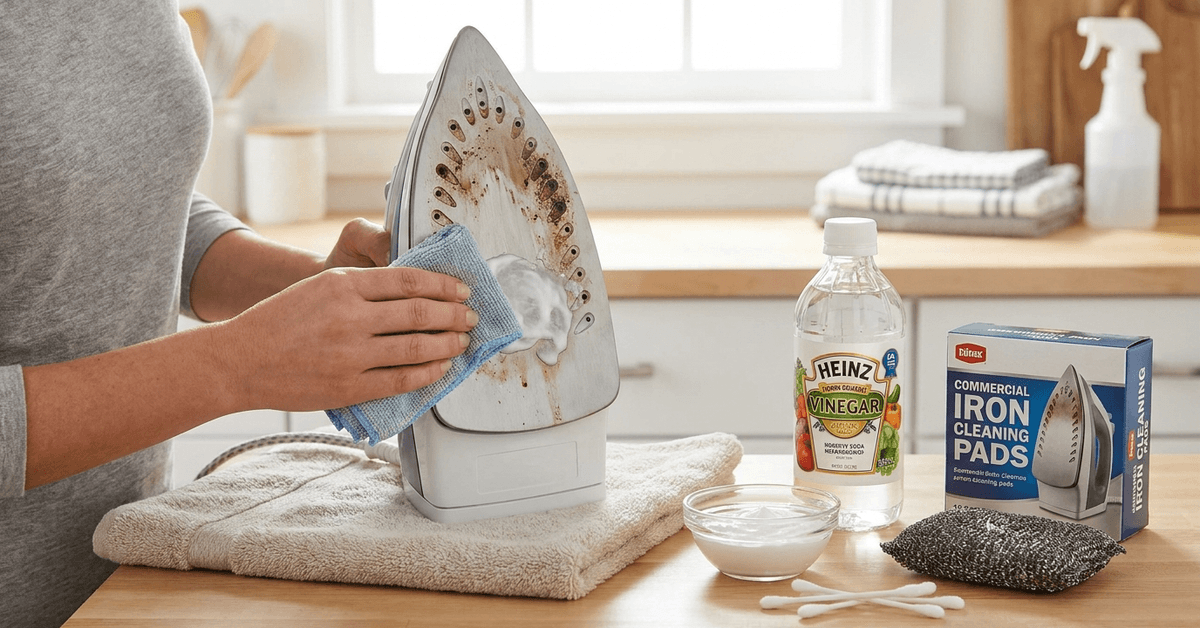
Burnt-on fabric or improper water choices also contribute. Unattended, these residues become stubborn and reduce effectiveness.
Safety Precautions Before Cleaning
Unplug the steam iron and allow it to cool. Some prefer testing temperature with a quick touch on a folded cloth, ensuring it’s safe to handle before cleaning.
Check the instruction manual for specific care advice. Not all irons tolerate the same treatments—reading the guide helps prevent surface damage.
Quick Start: Basic Cleaning Supplies
- Baking soda
- White distilled vinegar
- Soft microfiber cloth
- Non-scratch nylon scrub pad
- Cotton swabs
- Toothpick or wooden skewer
Most residue is removable with household staples. Avoid metal tools, which could scratch the nonstick soleplate coating.
Methods for Cleaning a Sticky Steam Iron Soleplate
Using Baking Soda Paste
Baking soda is a gentle abrasive for cleaning irons. Many find this method effective for sticky types of buildup.
- Mix a tablespoon of baking soda with just enough water to form a thick paste.
- Apply the paste to sticky areas with a microfiber cloth.
- Leave for 3 to 5 minutes, then gently rub the paste around with the cloth.
- Wipe residue away with a damp cloth, repeating as needed.
White Vinegar for Stubborn Residue
Some homeowners swear by white distilled vinegar when facing heavy, burnt-on gunk. This solution helps dissolve the toughest grime without harsh chemicals.
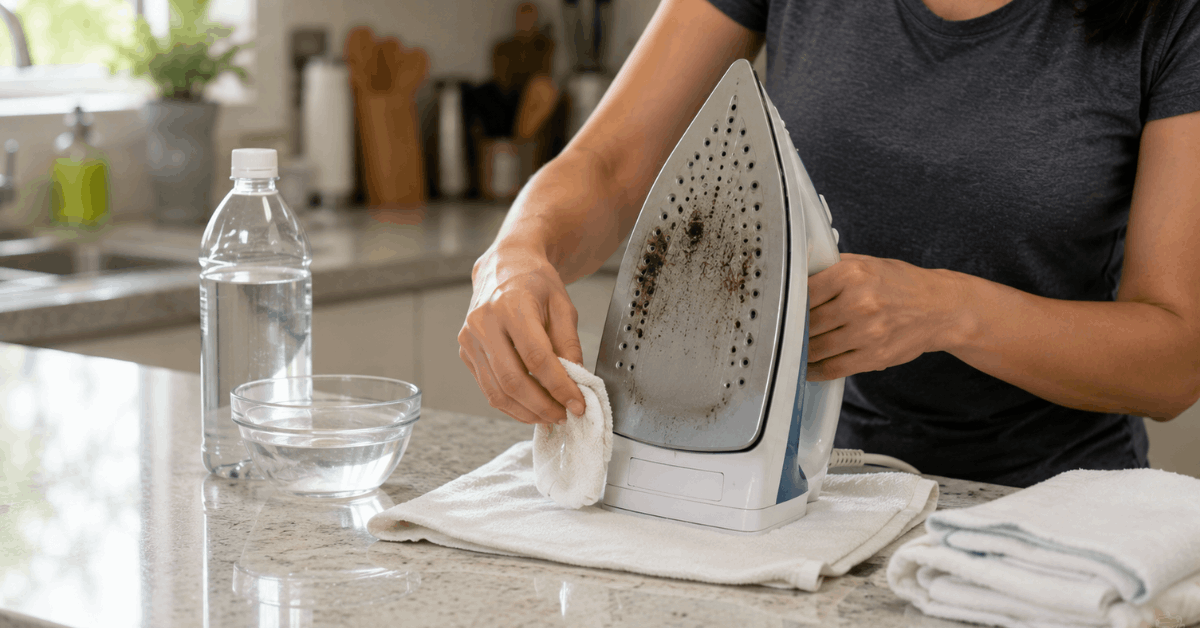
- Dampen a cloth with pure white vinegar and lay it flat on the counter.
- Place the unplugged soleplate directly on the cloth for 5 minutes. (Always keep the water tank empty when cleaning with vinegar.)
- Use the same vinegar cloth to wipe away softened debris.
- Finish with a water-dampened cloth to remove any lingering vinegar smell.
Commercial Iron Cleaning Pads
Some households prefer specialized soleplate cleaning pads, with products from Faultless typically available at appliance centers or online retailers.
- Rub the pad gently along a warm (not hot) soleplate.
- Inspect for residue on both the iron and pad to gauge cleaning progress.
While pricier than household items, these pads are designed for iron care and do not scratch nonstick surfaces.
Salt Method for Minor Stickiness
Table salt is sometimes used, as it can pick up sticky material without leaving residue on the plate.
- Spread a layer of salt on a clean cotton towel.
- Once the iron is warm (but unplugged), gently move it back and forth over the salt.
- Brush away salt crystals and wipe the plate clean with a soft cloth.
Deep Cleaning: Removing Burnt Fabric Residue
Toothpicks and Cotton Swabs for Steam Holes
Residue inside steam holes is easy to overlook. It can, however, compromise steam flow and fabric safety.
- After cleaning the soleplate surface, use a toothpick to gently dislodge gunk from each steam vent.
- Follow up with a cotton swab dipped in distilled water to wipe inside each hole.
For stubborn blockages, repeating this process may be needed.
Nonstick Coating Considerations
Some steam irons use a nonstick coating for smoother gliding. Older models might have plain stainless steel, so check yours before selecting a cleaning product.
Avoid abrasive powders or scouring pads if the iron uses a coated plate. Stubborn residue may come off with repeated gentle treatments instead.
Tips for Preventing Future Stickiness
Simple maintenance habits can help keep an iron soleplate smooth and residue-free. Regular cleaning and careful use can also reduce buildup and prevent future sticking problems.
- Use distilled water in the steam chamber when recommended to help reduce mineral buildup.
- Wipe the soleplate with a soft damp cloth after each use to remove starch, fabric softener, or residue.
- Avoid ironing directly over zippers, decals, printed designs, or glue transfers.
- Check garment care labels and use the correct temperature setting for each fabric.
- Start with a lower heat setting when ironing delicate or synthetic materials.
- Avoid using excessive spray starch, which can leave sticky deposits on the soleplate.
- Clean the steam vents periodically to prevent residue from collecting around the openings.
- Let the iron cool completely before wiping away any remaining buildup.
- Store the iron upright when not in use to protect the soleplate from contact with other surfaces.
Periodic light cleaning keeps irons running smoothly for years.
Maintenance Routines for Appliance Longevity
Many efficiency enthusiasts keep a monthly iron care checklist on their fridge or smartphone:
- Inspect for discoloration or residue monthly.
- Clean steam holes quarterly with a toothpick.
- Check and empty the water chamber after each use.
- Test the cord for wear before each session to ensure safety.
Establishing a consistent habit can prevent build-up and minimize future cleaning sessions.
When to Seek Professional Help or Replacement?
If sticky residue remains after repeated cleaning, the iron may have a damaged soleplate or internal issue. In some cases, professional inspection is safer than continued DIY cleaning.
Contact a Professional
Reach out to the manufacturer or a qualified appliance technician if the soleplate appears damaged. A professional can determine whether the iron can be repaired safely. This is especially useful when residue returns quickly after cleaning.
Consider Replacing the Iron
Replacement may be more practical for very old or heavily damaged irons. Deep scratches, peeling coatings, or recurring performance problems can affect safe use. Compare repair costs with the price of a new iron before deciding.
Conclusion
Caring for a sticky steam iron soleplate is mostly about consistency and the right tools. Adopting smart, safe cleaning routines restores performance and protects clothing from damage.
By using simple materials and a regular maintenance schedule, most homeowners can keep their appliance running efficiently for years. In the end, a clean iron means less stress, better results, and more value from every gadget in your home.